A notebook can be a simple place for ideas, plans, notes, sketches, or lists. Yet many notebooks go unused because they look appealing in a store but do not match the way their owner thinks or works.
The best notebook is not necessarily the most expensive, attractive, or highly rated. It is the one that fits naturally into your daily routine. Before choosing one, consider what you want to write, where you will use it, and how much structure you prefer.
Start With the Notebook’s Main Purpose
The easiest way to choose a notebook is to identify its primary job. A notebook designed for quick work notes may not be ideal for drawing, while a journal with narrow lines may feel limiting if you prefer long-form writing.
Ask yourself:
– What will I use it for most often?
– Will I write every day or only when needed?
– Do I need to carry it with me?
– Will I use a pen, pencil, marker, or several tools?
– Do I need to find older notes quickly?
Common uses include:
Daily planning
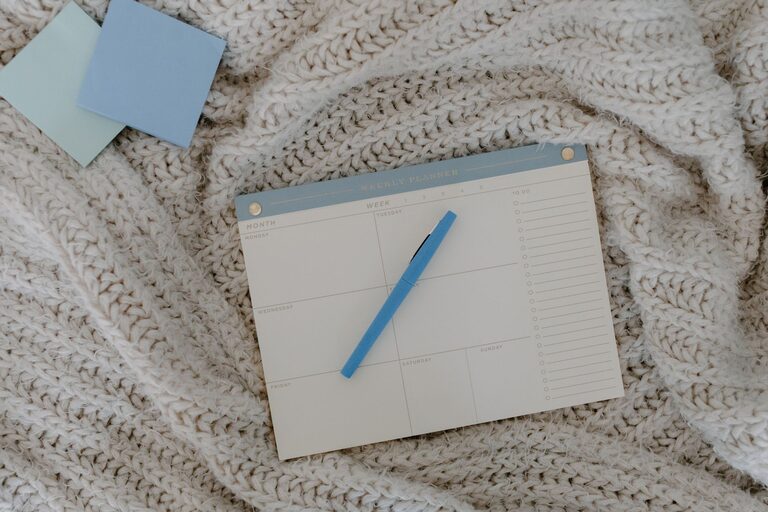
For schedules, to-do lists, and appointments, choose a notebook that opens easily and provides enough space for each day. A dated planner can help if you like a set structure. An undated notebook is more flexible if your routine changes or you sometimes skip days.
Journaling
A journal may work best with comfortable paper, a size that feels personal, and a binding that allows easy writing. Lined pages are familiar, while blank or dot grid pages give you more freedom.
Work and study notes
For meetings, classes, or research, consider a notebook with clear page numbering, an index, or sections. A larger format may be useful if you write a lot, but a smaller one can be easier to carry between locations.
Sketching and creative work
Artists and visual thinkers often prefer blank pages. Look for paper that suits your materials. A pencil or ballpoint pen needs less robust paper than a wet marker, brush pen, or watercolor.
Choose the Right Page Layout
The page design affects how naturally you use a notebook. Select the layout that supports your usual writing rather than choosing based only on appearance.
Lined pages
Lined paper is a good all-purpose choice for writing, lists, and notes. Check the line spacing if possible. Wide spacing may be more comfortable for large handwriting, while narrow lines can provide more room for smaller writing.
Dot grid pages
Dot grid paper offers light visual guidance without the strong presence of ruled lines. It works well for lists, diagrams, calendars, handwriting, and simple layouts. The dots should be visible enough to guide you but light enough not to distract you.
Blank pages
Blank paper is ideal for sketching, mind maps, free-form notes, and lettering. It gives you maximum flexibility, though some people find it difficult to keep writing straight.
Grid pages
Squared paper is useful for tables, measurements, charts, diagrams, and organized notes. It can also be a good choice if you like structured layouts but want more flexibility than standard lines provide.
If you are unsure, dot grid paper is often a practical middle ground. However, the best choice still depends on your habits.
Pay Attention to Size and Portability
A notebook that stays at home can be larger and heavier than one that travels with you. Think about where you will use it most.
A pocket notebook is convenient for quick notes and fits easily into a bag or jacket. Its small pages may feel cramped for detailed writing, but its portability can make it more likely that you will use it.
A medium-sized notebook offers a balance between writing space and portability. It is often suitable for everyday planning, work notes, and journaling.
A large notebook gives you room for detailed notes, drawings, and wide layouts. It may be comfortable on a desk but less convenient for travel.
Before buying, compare the notebook with the bag, desk, or shelf where it will normally live. If it does not fit your routine, even a well-designed notebook may go unused.
Consider Paper Quality
Paper quality matters most when it affects your writing experience. You do not always need premium paper, but the pages should work well with your preferred tools.
Look for:
– Pages that feel smooth enough for comfortable writing
– Paper thick enough to prevent distracting show-through
– A surface that does not make your pen skip
– A color that is easy to read under normal lighting
– Paper suited to ink, pencil, or markers
If you use a fountain pen, gel pen, or marker, test the paper when possible. Some inks may bleed through thin pages or take longer to dry. If you mainly use a pencil or ballpoint pen, ordinary notebook paper may be perfectly suitable.
Paper texture is also a personal preference. Smooth paper may suit fast writing, while slightly textured paper can feel better with pencils and certain pens.
Check the Binding and Opening Style
The binding determines how the notebook feels when open. A notebook that constantly closes or bends can make writing frustrating.
Spiral binding
Spiral notebooks often lie flat and allow pages to turn easily. They are practical for school, work, and everyday notes. The spiral may take up extra space in a bag, and it can feel uncomfortable when writing near the edge.
Sewn binding
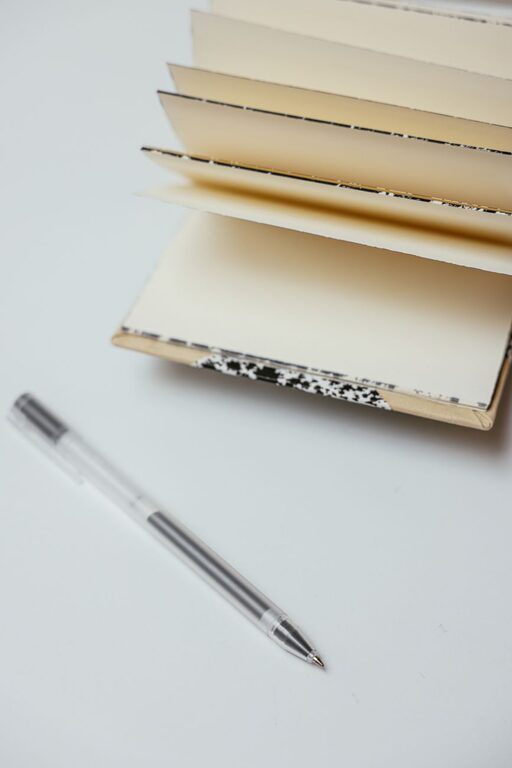
Sewn notebooks are usually durable and may open relatively flat. They often have a polished appearance, but some designs need time to loosen before they are comfortable to use.
Glued binding
Glued notebooks can be slim and affordable. They may not lie flat, and pages can sometimes loosen with heavy use. They are suitable when portability and a clean appearance matter more than maximum durability.
Disc or ring systems
Refillable notebooks allow you to move, remove, or add pages. This is useful if you like rearranging information. The system can be more flexible, but the rings or discs may make writing near the center less comfortable.
Try opening a notebook before buying it. Place it on a surface and check whether both sides stay open without much effort.
Pick a Cover That Fits Your Environment
A notebook cover protects the pages and affects how comfortable the notebook feels in your hands. A soft cover is lightweight and flexible, while a hard cover offers more protection and a stable writing surface.
Choose a durable cover if the notebook will travel in a crowded bag. A simpler cover may be enough for a notebook that stays on your desk.
The cover should also invite you to use the notebook. A design that feels too formal may make you hesitate to write in it. On the other hand, a cover that feels personal or cheerful can make the notebook easier to reach for.
Avoid Buying for Your Ideal Self
One common mistake is choosing a notebook for the person you hope to become instead of the person you are now. You may imagine filling a large journal every morning, creating elaborate weekly spreads, or writing pages of thoughtful reflections. If that is not already part of your routine, the notebook may create pressure rather than support.
Choose a notebook that matches your current habits. If you write short notes, start with a small or medium notebook. If you often abandon dated planners, try an undated format. If detailed layouts feel like work, choose simple pages.
You can always move to a more specialized notebook once your routine becomes consistent.
Test Before Committing
If possible, inspect or test a notebook before buying it. Write a few lines on a sample page, turn the pages, and place it in your usual bag.
Check:
– Whether your hand fits comfortably on the page
– Whether the notebook stays open
– Whether your pen feels good on the paper
– Whether the cover is comfortable to hold
– Whether the size matches your normal writing volume
You can also begin with an inexpensive notebook. Use it for a week or two and note what you like and dislike. This small experiment can reveal more than reading a long list of features.
Make the Notebook Easy to Reach
Even the perfect notebook will not be useful if it is hidden away. Store it where the related activity happens. Keep a planning notebook near your desk, a journal beside your bed, or a pocket notebook with your everyday items.
Use a simple first page to define its purpose. For example, write “work notes,” “daily ideas,” or “reading notes.” A clear purpose helps prevent the notebook from becoming an intimidating collection of empty pages.
Finally, remember that a notebook does not need to be used perfectly. Skip pages, change layouts, and write messy notes when necessary. The goal is not to create a flawless record. It is to choose a tool that makes writing easier and helps you return to it regularly.
About the Author