A great weekend does not need to be packed with activities. In fact, trying to fit too much into two days can leave you feeling more tired than when the weekend began. The key to a no-stress weekend is simple planning: decide what matters most, prepare a few essentials, and leave enough open time to enjoy the moment.
Whether you want to rest at home, spend time with friends, or explore somewhere nearby, a little structure can help you make the most of your time without creating a strict schedule.
Start With Your Ideal Weekend
Before making plans, think about how you want to feel by the end of the weekend. Do you want to feel rested, connected, entertained, productive, or refreshed? Your answer can guide your choices.
For example, a restful weekend might include:
– A slow breakfast
– A walk outdoors
– Time away from screens
– A favorite book or movie
– An early night
A social weekend could include a meal with friends, a casual outing, or a visit with family. A productive weekend might involve a few household tasks, personal projects, or preparation for the week ahead.
Try choosing one main goal for the weekend and a few smaller activities that support it. This keeps your plans focused and prevents your calendar from becoming crowded.
Keep Your Schedule Light
A weekend schedule should provide direction, not pressure. Instead of planning every hour, choose one or two activities for each day and leave open spaces between them.
A simple structure might look like this:
– One planned activity
– One useful task
– One relaxing activity
– Several hours of free time
This approach gives you something to look forward to while allowing room for changes. If an activity takes longer than expected or you simply feel like taking it easy, you will not have to cancel a long list of plans.
When making plans with other people, avoid saying yes automatically. Consider travel time, preparation, and how much energy the activity may require. A short visit or casual coffee can be just as meaningful as an all-day event.
Use Time Blocks Instead of Exact Times
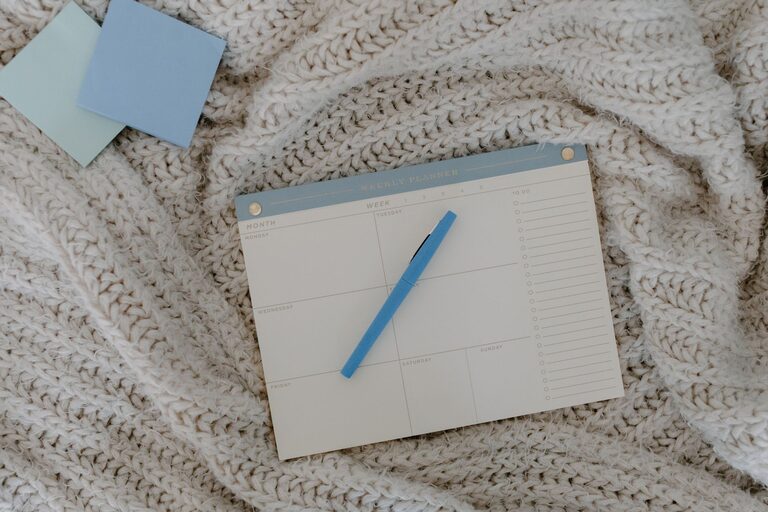
Time blocks offer more flexibility than a detailed timetable. You might reserve Saturday morning for errands, Saturday afternoon for an outing, and Saturday evening for a quiet meal. This gives you a general plan without making the day feel rigid.
If you prefer a more organized schedule, include extra time between activities. A 30-minute buffer can help you avoid rushing, especially when travel, cooking, or getting ready is involved.
Finish Small Tasks Before the Weekend
A few quick tasks on Friday can make Saturday and Sunday feel much easier. You do not need to complete every chore, but handling the most important ones can reduce distractions.
Consider doing the following:
– Tidy the main living area
– Wash essential laundry
– Take out the trash
– Check your calendar
– Make a short grocery list
– Reply to urgent messages
– Prepare anything needed for weekend plans
Keep this preparation short and practical. Set a limit, such as 30 to 45 minutes, so that Friday evening does not become another work session.
You may also want to write down tasks that can wait until Monday. This helps clear them from your mind without forcing you to complete them immediately.
Plan Easy Meals
Food planning can remove many small decisions from your weekend. You do not need to prepare elaborate meals. A few simple options are often enough.
Choose meals that are:
– Easy to prepare
– Made with familiar ingredients
– Flexible if plans change
– Suitable for leftovers
For example, you might prepare ingredients for a quick pasta dish, grain bowl, soup, sandwiches, or a simple breakfast. Keep a few convenient snacks available so you are not forced to make a store run when you would rather relax.
If you plan to eat out, choose a general area or type of food in advance. You do not necessarily need a reservation for every meal, but a little thought can prevent last-minute stress.
Include Real Rest
Rest is not something you have to earn by finishing every task. It is an important part of a balanced weekend. Schedule quiet time just as you would schedule an appointment.
Rest can take many forms:
– Sleeping a little later
– Taking a short nap
– Sitting outside
– Listening to music
– Reading
– Enjoying a hobby
– Taking a relaxed walk
– Spending time without a planned activity
Try to notice what actually helps you recover. Some people feel refreshed after being alone, while others recharge through conversation and shared activities. There is no single correct way to rest.
Avoid Turning Rest Into a Chore
You do not need to complete a wellness routine, read a certain number of pages, or follow a strict morning plan to have a relaxing weekend. If an activity makes you feel pressured, simplify it or skip it.
A few quiet minutes can be valuable even when the rest of the day is ordinary.
Set Healthy Boundaries With Technology
Phones and computers can make it difficult to feel fully present. You do not have to disconnect completely, but small limits can help create more space for rest.
Try one or two of these ideas:
– Turn off nonessential notifications
– Keep your phone away during meals
– Check messages at specific times
– Avoid work email during personal hours
– Set a screen-free period before bed
– Unfollow or mute accounts that make you feel distracted
If you need to remain available, tell people when you will check messages. Clear expectations can reduce the urge to check constantly.
Leave Room for Spontaneity
A no-stress weekend should not depend on everything going exactly as planned. Leave at least one open period for an unplanned choice. You might discover a local event, decide to visit a park, or simply stay home with a movie.
When plans change, ask yourself:
- Is this activity important?
- Will it add enjoyment or unnecessary pressure?
- Can I make it simpler?
- Is there something else I can remove?
This quick check can help you adjust without feeling that the entire weekend has gone off track.
Prepare for Monday Without Taking Over Sunday
A small amount of preparation can make Monday morning calmer. Set aside 20 to 30 minutes on Sunday for the essentials.
You might:
– Review the next day’s schedule
– Choose an outfit
– Pack a bag
– Prepare breakfast or lunch
– Write down the first task for Monday
– Set a reasonable bedtime
Avoid filling Sunday evening with major chores or difficult projects. The goal is to create a gentle transition, not to turn the end of the weekend into a work period.
Create Your Own Simple Weekend Formula
Once you find a rhythm that works, you can reuse it. Your formula might include a tidy home, one social activity, one outdoor activity, easy meals, and a quiet Sunday evening.
The best weekend plan is one that fits your energy, budget, interests, and responsibilities. It should help you enjoy your time rather than make you feel managed by a schedule.
Start small. Pick one priority, plan a few basics, and leave plenty of space around them. With less pressure and more flexibility, your weekend can become a reliable opportunity to rest, connect, and begin the next week feeling prepared.
About the Author