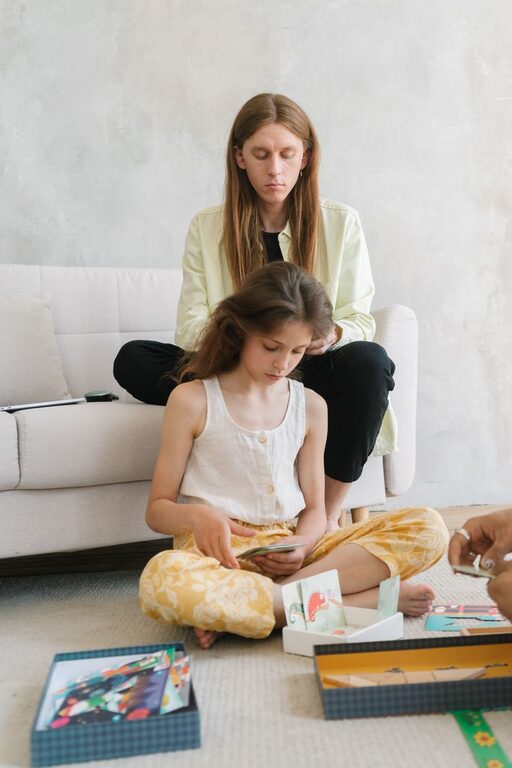
Family game night is an easy way to spend quality time together without leaving the house. With a few simple games, comfortable seating, and snacks everyone enjoys, you can create a relaxed evening filled with laughter and friendly competition.
The best game nights do not need expensive equipment or complicated planning. Whether your family enjoys board games, cards, puzzles, or creative challenges, there are plenty of ways to make the evening fun for all ages.
Choose a Simple Theme
A theme can make an ordinary game night feel like a special event. It also helps you choose games, snacks, and decorations.
Try one of these ideas:
– Classic game night: Play familiar board games and card games from different generations.
– Around the world: Choose games inspired by different countries and serve international snacks.
– Game show night: Create trivia questions, teams, and simple prizes.
– Cozy pajama night: Let everyone wear pajamas and serve warm drinks and comfort foods.
– Outdoor games indoors: Adapt games such as bowling, ring toss, or mini golf for indoor play.
– Mystery night: Add clues, riddles, and a simple family-friendly mystery to solve.
A theme does not need to be complicated. Even a special snack or dress code can make the evening feel different from a regular night at home.
Pick Games for Different Ages
When family members have different ages and interests, choose a mix of games. Include options that are easy to learn, along with one or two more challenging activities.
Quick and Easy Games
Short games are helpful when younger children are joining or when everyone wants to try several activities. Consider:
– Charades
– Pictionary
– Simon Says
– Bingo
– Matching games
– Word guessing games
– Tic-tac-toe tournaments
– Simple card games
These activities usually require little preparation and can be adjusted for different skill levels.
Strategy and Board Games
Board games can encourage planning, problem-solving, and teamwork. Choose games with clear instructions and a playing time that suits your family.
Before starting, explain the basic rules and demonstrate an example turn. If the game has many rules, consider playing a practice round without keeping score. This helps everyone become comfortable before the real competition begins.
For younger players, select games with visual pieces and short turns. Older children and adults may enjoy games that involve strategy, building, deduction, or wordplay.
Team-Based Games
Team games can make competition feel more welcoming. Instead of having each person play alone, divide the family into pairs or small groups.
Team ideas include:
– Guessing games
– Trivia contests
– Drawing challenges
– Building competitions
– Family scavenger hunts
– Cooperative board games
Try to mix up the teams during the evening so everyone has a chance to work with different family members.
Add Creative Challenges
Not every activity needs to come from a game box. Creative challenges are affordable, flexible, and often produce some of the funniest moments of the night.
Drawing Challenge
Give everyone paper and a pencil. Choose a subject, such as an animal, a favorite food, or a fictional character. Set a timer for two or three minutes, then compare the drawings.
For an extra challenge, one person can describe an object without naming it while everyone else tries to draw it. The results are usually entertaining, even when the instructions are clear.
Building Challenge
Use items you already have at home, such as blocks, plastic cups, paper, or craft supplies. Set a goal and a time limit.
Possible challenges include:
– Build the tallest tower.
– Create a bridge that holds a small object.
– Design a dream house.
– Make a vehicle from household materials.
– Build something that represents a favorite movie or book.
Focus on creativity rather than making the perfect structure.
Storytelling Game
Start a story with one sentence. Each person adds another sentence, continuing around the room. You can choose a setting, such as a jungle, a space station, or a magical library.
For a shorter version, place random objects in a bag. Each person draws one object and adds it to the story.
Plan a Family Trivia Contest
Trivia is easy to customize because you can write questions about your family, hobbies, school subjects, movies, animals, or general knowledge.
Create several categories, such as:
– Nature
– Sports
– Music
– Food
– Books
– Places
– Family memories
Keep the questions suitable for the youngest players, or create different rounds for different age groups. You can also let each person write a few questions before the game begins.
Use paper, a whiteboard, or a phone timer to keep track of answers and time. Small prizes, such as choosing the next game or picking dessert, can add excitement without making the contest too serious.
Include a Scavenger Hunt
A scavenger hunt can get everyone moving between games. Hide clues around the house or create a list of items for players to find.
For younger children, use picture clues or simple descriptions. Older children can solve short riddles. You can organize the hunt individually or in teams.
Ideas for items and clues include:
– Something soft
– A book with a certain color on the cover
– A family photo
– An object that starts with a specific letter
– Something used in the kitchen
– A favorite toy
Set clear boundaries so players know which rooms or areas are included. Keep fragile, valuable, or private items out of the hunt.
Serve Easy Snacks
Snacks help make game night feel special, but they should be simple enough that no one spends the whole evening in the kitchen.
Good options include:
– Popcorn
– Fruit slices
– Vegetable sticks
– Cheese and crackers
– Sandwich bites
– Pretzels
– Mini pizzas
– Cookies or brownies
Use small bowls and plates to keep food away from game pieces. Drinks with secure lids can also help prevent spills. If your family has food preferences or allergies, label snacks clearly and offer a variety of choices.
You can make snacks part of the activity by setting up a build-your-own station. Try a popcorn bar with different seasonings, a taco station, or a fruit skewer table.
Make the Room Comfortable
A comfortable space helps everyone stay engaged. Clear a table, arrange enough seating, and make sure game pieces are easy to see.
Helpful preparations include:
– Put away unrelated items before starting.
– Check that games have all their pieces.
– Keep pencils, paper, and timers nearby.
– Set up a snack area away from the game table.
– Choose good lighting.
– Keep a backup activity available.
If younger children are playing, use a larger table or floor space for games with oversized pieces. For longer games, plan short breaks so everyone can stretch and refresh their snacks.
Keep the Mood Friendly
The goal of family game night is to spend time together. A few simple guidelines can help keep the evening enjoyable:
– Explain rules before the game starts.
– Encourage questions.
– Take turns fairly.
– Avoid teasing about mistakes.
– Let younger players have help when needed.
– Be willing to change a game if no one is enjoying it.
– Celebrate creativity, teamwork, and good sportsmanship.
You can also create a family tradition, such as taking a group photo, choosing a game night champion, or writing down the funniest moment of the evening.
Create a Flexible Schedule
A simple schedule can prevent the night from feeling rushed. For example:
- Begin with a quick warm-up game.
- Serve snacks and choose a main game.
- Take a short break.
- Try a creative challenge or scavenger hunt.
- Finish with a calm game or dessert.
Keep the schedule flexible. Some families may enjoy one long board game, while others may prefer several short activities. The best plan is one that matches your family’s energy and interests.
With a little preparation, family game night can become a regular tradition. Choose activities that invite everyone to participate, keep the rules simple, and leave room for laughter. The games may change over time, but the shared memories can last for years.
About the Author