
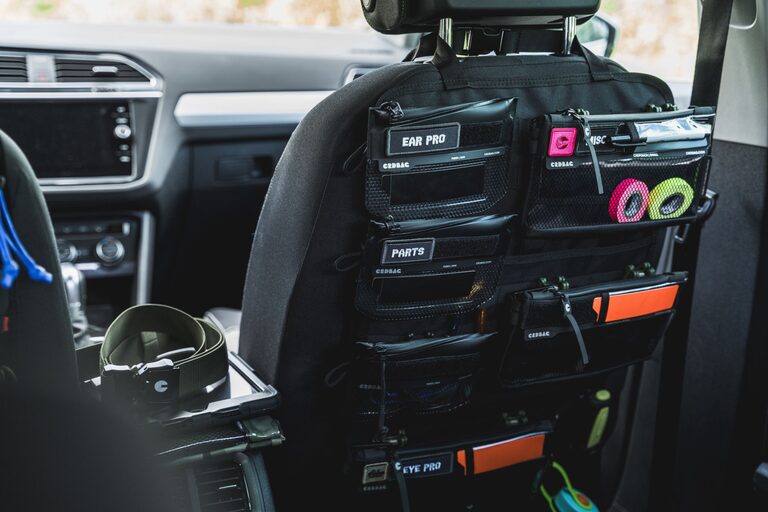
A clean, organized car is more pleasant to drive and easier to maintain. It also helps you find important items quickly, prevents clutter from building up, and creates a more comfortable space for passengers. The good news is that keeping your car tidy does not require hours of work or expensive equipment. A few simple systems and regular habits can make a big difference.
Start by Removing Everything
Before organizing your car, take everything out. Check the front seats, back seats, floor areas, door pockets, center console, trunk, and glove compartment. Remove items that do not belong in the car, including empty bottles, receipts, clothing, toys, food wrappers, and old paperwork.
Place the items into three groups:
– Keep in the car
– Take into the house
– Throw away or recycle
This first step gives you a clear view of the available space. It also prevents you from organizing around items you do not actually need.
Once the car is empty, shake out the floor mats and vacuum the seats, carpets, and storage areas. Cleaning before organizing makes it easier to maintain the results.
Create a Simple Storage System
Every item in your car should have a designated place. Without a storage system, small objects quickly spread across the seats and floor. Choose storage solutions based on the size of your car and the items you regularly carry.
Use Small Containers
Small containers can keep loose items together. Consider using them for:
– Charging cables
– Pens and notepads
– Tissues
– Hand wipes
– Emergency supplies
– Sunglasses
– Small tools
A soft pouch works well for items that may move around while driving. Choose containers that are easy to open and clean.
Organize the Trunk
The trunk often becomes a place where random items collect. A collapsible trunk organizer can divide the space into sections for groceries, cleaning supplies, sports equipment, or travel items.
Keep heavier items low and toward the back of the trunk. This helps prevent them from sliding around. Use a separate bag for reusable shopping bags so they are always easy to find.
Avoid overloading the trunk. A crowded storage area makes it harder to locate things and may allow items to shift during turns or sudden stops.
Make Use of Seat-Back Storage
Seat-back organizers are useful for families, commuters, or anyone who spends a lot of time in the car. They can hold books, small electronics, snacks, tissues, and travel accessories without taking up passenger seating space.
For a simple setup, assign one pocket to each type of item. For example, use one section for documents, another for entertainment items, and another for cleaning supplies.
Keep Only Useful Items in the Car
It is easy to carry too much “just in case” equipment. However, extra items take up space and create clutter. Keep a practical collection of items that match your regular needs.
Useful items may include:
– A reusable water bottle
– A small first aid kit
– An extra phone charging cable
– Tissues or cleaning wipes
– A flashlight
– A compact umbrella
– A reusable shopping bag
– A small trash container
– A basic roadside safety kit
Review these items every few months. Remove anything that is damaged, expired, or no longer useful. Seasonal items, such as winter accessories or beach gear, can be stored elsewhere until needed.
Add a Small Trash Container
One of the easiest ways to prevent mess is to give trash a specific place. Use a small, leak-resistant container or a washable car trash bag. Place it somewhere passengers can reach easily, such as beside the center console or behind a seat.
Empty it whenever you stop for fuel or return home. Do not allow food packaging or cups to remain in the car overnight, especially in warm weather. Odors can develop quickly, and spills become harder to clean when ignored.
If you prefer not to keep a permanent trash container, keep a few small bags in the glove compartment. Replace them as soon as they are used.
Use a Quick Daily Reset
A short daily reset can prevent a major cleaning job later. At the end of each drive or when you arrive home, take one or two minutes to:
– Remove trash
– Take out items that belong indoors
– Return loose objects to their storage areas
– Check the floor for dirt or debris
– Wipe away fresh spills
This routine is especially helpful after shopping trips, road trips, or days when several passengers use the car. Small efforts are easier to manage than a large cleanup after weeks of neglect.
Clean in Sections
When your car needs a deeper clean, work through one section at a time. This keeps the task manageable and helps you avoid missing areas.
Clean the Interior
Start at the top and work downward. Dust the dashboard, air vents, door panels, and center console before vacuuming the floor. Use a soft microfiber cloth to reduce the chance of scratching smooth surfaces.
For tight spaces, use a small detailing brush or a clean, soft toothbrush. These tools can help remove dust from vents, seams, cup holders, and buttons.
Use a cleaner designed for the specific surface. Materials such as fabric, plastic, vinyl, and leather may require different products. Always test a cleaner on a small hidden area first, and avoid soaking electronic controls.
Clean the Windows
Clear windows improve visibility and make the car feel cleaner. Use a glass cleaner and a lint-free cloth. Spray the product onto the cloth instead of directly onto the glass to reduce the chance of overspray reaching the dashboard or controls.
Clean both the inside and outside of the windows. If the inside develops a cloudy film, clean it carefully with fresh cloths and a small amount of glass cleaner.
Clean the Floor Mats
Remove floor mats before vacuuming. Shake them outside, then vacuum both the mats and the carpet underneath. Fabric mats may benefit from a suitable carpet cleaner, while rubber mats can usually be rinsed and wiped clean.
Allow mats to dry fully before putting them back in the car. Moisture left beneath them can contribute to unpleasant odors.
Deal With Spills Quickly
Fresh spills are much easier to remove than dried stains. Blot liquid with a clean cloth instead of rubbing it deeper into the fabric. For food or drink spills, use a small amount of appropriate upholstery cleaner and follow the product instructions.
Avoid using too much water inside the car. Damp seats and carpets can take a long time to dry and may develop an unpleasant smell. Open the doors or windows in a safe location to improve airflow after cleaning.
If a spill has caused a strong odor, remove the source first, then clean the affected area. Air fresheners may cover odors temporarily but will not replace proper cleaning.
Keep the Exterior Clean
A clean exterior protects the car’s appearance and makes it easier to notice new damage or dirt buildup. Remove bird droppings, tree sap, and road debris as soon as possible using products made for vehicle surfaces.
Wash the car regularly, especially after driving on dirty or salty roads. Use clean water, a soft wash mitt, and a car-safe soap. Dry the exterior with a clean microfiber towel to reduce water spots.
Do not forget the wheels, door edges, mirrors, and areas beneath the trunk or hatch. These spots often collect dirt while remaining out of sight.
Build a Weekly and Monthly Routine
A simple schedule makes car care easier:
Weekly
– Remove trash and personal items
– Vacuum visible dirt
– Wipe the dashboard and console
– Clean the windows if needed
– Check the trunk for unnecessary items
Monthly
– Deep clean the floor mats
– Vacuum under the seats
– Wipe door pockets and cup holders
– Review the glove compartment
– Clean the trunk organizer
– Check and restock useful supplies
A regular routine keeps small problems from turning into larger ones. It also helps you notice when storage systems need to be adjusted.
Make Cleanliness Convenient
The best organization system is one you will actually use. Keep cleaning wipes where they are easy to reach, store items near the places where they are most useful, and choose containers that fit your car.
Encourage every passenger to take their belongings and trash with them. When everyone follows the same simple rules, the car stays cleaner with less effort.
By removing unnecessary items, assigning everything a place, and following a short cleaning routine, you can keep your car organized and comfortable every day.
About the Author