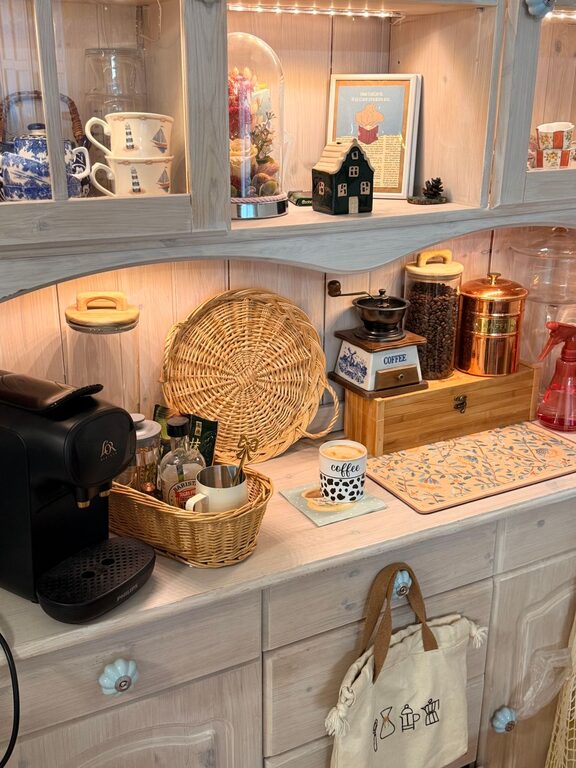
A coffee station can make your morning routine easier while adding a welcoming touch to your kitchen, dining area, or home office. It does not need to be large or expensive. With a thoughtful setup, you can keep coffee supplies organized, make preparation more convenient, and create a space that feels personal.
Whether you prefer a simple drip coffee maker or a full espresso setup, the key is to choose equipment and storage that fit your habits and available space.
Choose the Right Location
Start by selecting a convenient spot for your coffee station. The kitchen counter is the most common choice, but other areas can work well too.
Consider these options:
– A section of countertop near an electrical outlet
– A small bar cart
– A sideboard in the dining room
– A shelf or cabinet with enough clearance
– A corner of a home office or breakfast nook
Choose a location that is easy to reach but does not interfere with food preparation. If you use a coffee maker that requires water, placing the station near the sink can make refilling and cleaning simpler.
Also check the available power supply. Coffee makers, grinders, kettles, and milk frothers may require outlets, so avoid relying on overloaded extension cords. Keep electrical appliances away from areas where water may spill.
Measure Your Available Space
Before buying accessories, measure the area where you plan to build the station. Note the width, depth, and height of the surface, as well as the space between the counter and any cabinets above it.
Your measurements should account for:
– The coffee maker or espresso machine
– Space to place a mug
– Room to open the machine lid or water reservoir
– Storage containers and accessories
– Clearance for cleaning and maintenance
A compact station may only need a coffee maker, a container of beans or grounds, and a mug rack. A larger setup may include a grinder, kettle, syrup bottles, and several types of drinkware.
Avoid filling every inch of the surface. Leaving some open space makes the station easier to use and gives it a cleaner appearance.
Select the Essential Equipment
The best coffee station starts with the equipment you actually use. There is no need to purchase every coffee accessory available.
Coffee Maker
Choose a brewing method that matches your routine. A drip coffee maker is convenient for making multiple cups, while a single-serve brewer can be useful when each person prefers a different drink. A French press, pour-over brewer, or stovetop coffee maker can provide a more hands-on experience.
Consider the following questions:
– How many cups do you make each day?
– Do you prefer speed or a slower brewing ritual?
– Will more than one person use the station?
– How much counter space can the machine occupy?
– Is the equipment easy to clean?
Grinder
Freshly ground coffee can add flavor and aroma, but a grinder is not essential for every setup. If you buy whole beans, choose a grinder that is simple to adjust and clean. A compact burr grinder is a practical option for many home stations.
Kettle
A kettle is useful for pour-over coffee, French press brewing, tea, and hot water. An electric kettle is convenient, while a stovetop model may suit a smaller station with limited appliances.
Storage Containers
Airtight containers help protect coffee from air, moisture, heat, and light. Choose containers that are easy to open and large enough for the amount of coffee you use regularly. Clear containers make it easy to see the contents, while opaque containers can provide extra protection from light.
Organize Supplies by Use
Arrange items according to the order in which you use them. This simple approach keeps the station efficient and reduces clutter.
For example, place items in this order:
- Coffee beans or grounds
- Filters or brewing accessories
- Coffee maker or kettle
- Mugs
- Sweeteners and flavorings
- Spoons and napkins
Keep everyday items within easy reach and store occasional-use supplies in a drawer or cabinet. If your coffee maker has a removable water tank, make sure you can take it out without moving other objects.
Small trays can help group related items. Place sweeteners, stirrers, and spoons on one tray, or use a separate tray for coffee tools. A tray also makes it easier to move several items when cleaning the counter.
Add Practical Storage
Storage can make a small coffee station feel tidy and intentional. Use a combination of open and closed storage based on what you need to display.
Useful storage ideas include:
– A mug tree for frequently used cups
– Wall hooks for measuring spoons
– Small baskets for filters and tea bags
– A drawer organizer for coffee tools
– Stackable canisters for sugar and toppings
– A narrow shelf for syrups or seasonal items
– A tiered stand for mugs and small containers
If you are using a bar cart, place heavier items such as the coffee maker on the bottom shelf when possible. Keep mugs, coffee, and daily accessories on the top shelf for easy access.
For a built-in station, consider adding a pullout shelf or a dedicated cabinet. These features can hide appliances when they are not in use and help preserve counter space.
Choose Mugs That Fit Your Routine
Mugs are both useful and decorative, so select styles that suit your household. Keep your most-used mugs close to the coffee maker and store special or seasonal designs elsewhere.
You might choose:
– Large mugs for coffee with milk
– Small cups for espresso
– Travel mugs for busy mornings
– Heat-resistant glass cups for layered drinks
– Lightweight mugs for everyday use
Avoid overcrowding the station with too many cups. A small collection that fits the available space will look more organized and be easier to maintain.
Create a Consistent Look
A few coordinated details can make the coffee station feel like part of the room rather than a collection of appliances. Choose a simple color palette or material theme that complements your existing decor.
For example, you could use:
– Wood containers and neutral ceramic mugs
– Glass jars with stainless steel accessories
– Black and white pieces for a modern look
– Woven baskets for a warm, casual style
– Bright mugs and artwork for a cheerful accent
A small sign, framed print, or plant can add personality. Keep decorative items away from heat and water, and make sure they do not block cabinets, outlets, or appliance controls.
Stock the Station Thoughtfully
Keep a manageable selection of coffee and drink additions. Too many choices can create clutter and make supplies harder to track.
Common items include:
– Coffee beans or ground coffee
– Paper filters
– Tea bags
– Sugar or other sweeteners
– Milk or shelf-stable alternatives
– Cocoa powder
– Cinnamon
– Stirring spoons
– Napkins
If you enjoy flavored drinks, store syrups on a small tray or in a narrow basket. Check expiration dates regularly and refill containers before they are completely empty.
Maintain the Coffee Station
A clean coffee station is more pleasant to use and helps equipment work properly. Wipe spills promptly, especially around electrical appliances and wooden surfaces.
Build these tasks into your routine:
– Empty coffee grounds after brewing
– Rinse reusable filters and brewing parts
– Wipe the machine and counter regularly
– Wash mugs and tools after use
– Clean the grinder according to its instructions
– Descale the coffee maker when needed
– Check containers for stale coffee or expired additions
Keep a small cloth nearby for quick cleanup, but store cleaning products away from coffee, mugs, and food items.
Make the Station Work for You
The best coffee station reflects your daily habits. If you usually make coffee in a hurry, focus on easy access and minimal steps. If you enjoy experimenting, leave room for a scale, brewing tools, or different beans.
Start with the basics and adjust the setup over time. You can add storage, change the layout, or update the decor as your preferences develop. With the right location, practical organization, and a few personal details, even a small corner can become a useful and inviting coffee station.
About the Author