Working from home offers flexibility, but it can also make concentration more difficult. Household chores, notifications, family activity, and an informal work setting can all compete for your attention. The good news is that better focus usually comes from a few simple, repeatable habits rather than major changes.
By creating a supportive workspace, planning your day, and taking purposeful breaks, you can make remote work feel more organized and manageable.
Create a Workspace That Supports Focus
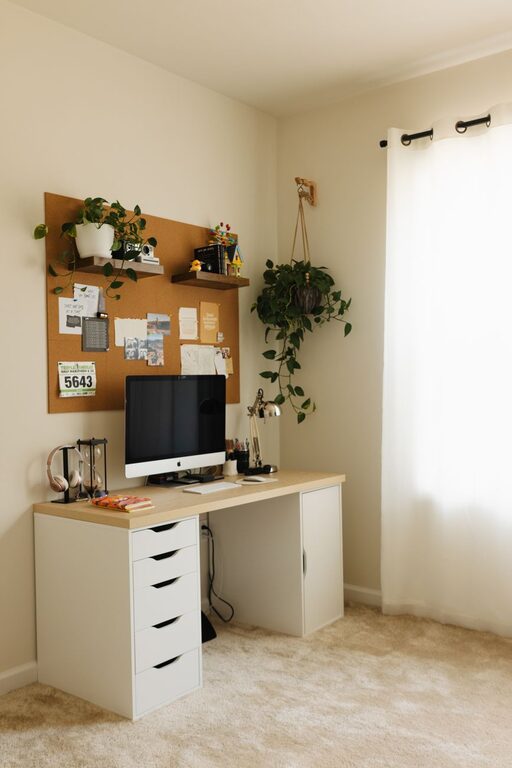
Your work environment has a direct effect on how easily you concentrate. A dedicated workspace helps create a clear boundary between work time and personal time, even if you do not have a separate office.
Choose a consistent work area
Whenever possible, work in the same place each day. This helps your mind associate that location with focused activity. A desk, table, or quiet corner can work well as long as it offers enough room for your computer and essential supplies.
If you share your home with others, let them know when you are working and when you are available. A closed door, desk sign, or pair of headphones can serve as a simple signal that you should not be interrupted.
Keep the area uncluttered
A crowded workspace can create visual distractions. Before starting work, remove items that are not needed for the day. Keep only the tools, documents, and devices that support your current tasks nearby.
At the end of the workday, spend a few minutes putting things away. Starting with a clean workspace can make the next morning feel calmer and more organized.
Pay attention to comfort
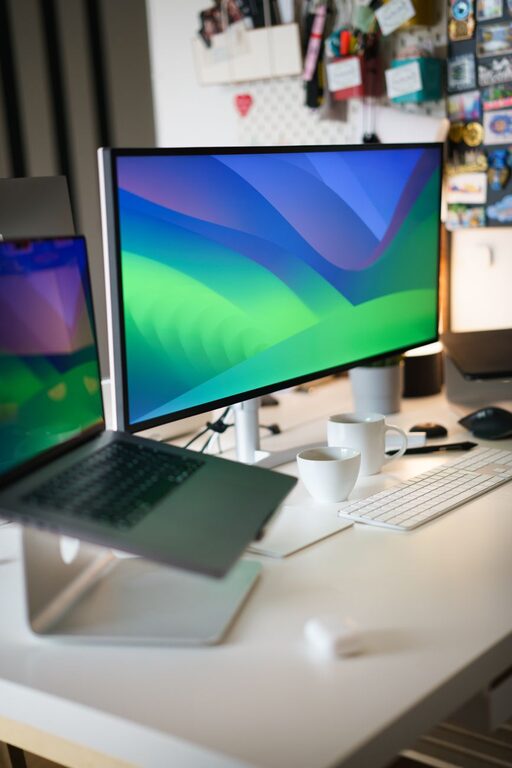
Comfort can affect your ability to stay focused. Adjust your chair, screen, and keyboard so you can work without unnecessary strain. Make sure the area has enough light, and reduce glare on your screen if possible.
Small improvements, such as using a water bottle, keeping a notepad nearby, or adjusting the room temperature, can prevent minor discomfort from becoming a repeated distraction.
Plan Your Day Before You Begin
A clear plan makes it easier to decide what deserves your attention. Without one, you may spend too much time switching between tasks or responding to whatever appears first.
Choose your top priorities
At the start of the day, identify two or three important tasks. These should be the activities that would make the day feel productive even if everything else takes longer than expected.
Write your priorities in a visible place. Keep the list realistic so it guides you rather than creating pressure. A long task list can be divided into three groups:
– Must do today
– Should do soon
– Nice to do if time allows
This simple system helps you focus on what matters most.
Break large tasks into smaller steps
Large projects can feel difficult to start because the final result seems far away. Divide them into specific actions, such as gathering information, creating an outline, reviewing a document, or sending an update.
Smaller steps provide a clear starting point and make progress easier to see. Instead of writing “finish the report,” your plan might say “draft the introduction” or “check the data in section two.”
Use time blocks
Set aside specific periods for focused work, communication, and routine tasks. For example, you might reserve the first part of the morning for your most demanding project, handle messages later, and schedule meetings in the afternoon.
Time blocks do not need to be strict. Their purpose is to reduce constant decision-making and give each type of work an appropriate place in your day.
Reduce Digital Distractions
Digital interruptions are among the most common challenges for remote workers. Even a quick glance at a message can make it harder to return to the original task.
Manage notifications
Turn off nonessential alerts on your computer and phone during focus periods. You can allow important calls or messages while silencing social media, shopping, and general app notifications.
Check email and chat at planned times instead of keeping them open continuously. If your work requires frequent communication, set shorter review periods, such as five or ten minutes each hour.
Limit open tabs and applications
Having too many tabs open can encourage multitasking. Keep only the pages and programs related to your current assignment visible. Close or minimize everything else.
You can also use separate browser profiles for work and personal activity. This creates a helpful boundary and reduces the chance of opening distracting websites out of habit.
Keep your phone out of reach
If your phone is not needed for work, place it across the room or in another area during focus sessions. Out of sight often means out of mind.
When you do need your phone, use features such as focus modes, app limits, or do not disturb settings to control interruptions.
Work in Focused Intervals
Long, uninterrupted work sessions are not always the best way to concentrate. Many people work more effectively when they alternate focused effort with short breaks.
Try working for 25 to 50 minutes, followed by a break of 5 to 10 minutes. During the break, stand up, stretch, get water, or look away from your screen. Avoid replacing work with another activity that is difficult to stop, such as scrolling through social media.
After several work intervals, take a longer break. A change of activity can help refresh your attention and make it easier to begin the next task.
Set Boundaries Around Your Workday
One challenge of working from home is that work can easily extend into personal time. Clear boundaries can help protect both your focus and your energy.
Create a starting routine
A consistent morning routine signals that the workday is beginning. This might include getting dressed, preparing a drink, reviewing your priorities, and setting up your workspace.
You do not need a complicated routine. The key is to repeat a few actions that help you shift into work mode.
Create an ending routine
At the end of the day, review what you completed and note the first task for tomorrow. Then close your work applications, tidy your workspace, and step away.
This routine helps prevent unfinished tasks from taking over your evening. It also makes it easier to begin the next workday with a clear plan.
Take Care of Your Energy
Focus depends on more than time management. It is also affected by sleep, movement, hydration, and regular meals. You do not need to make major lifestyle changes to support concentration. Simple habits can help:
– Keep water nearby
– Eat regular meals and snacks
– Stand or move between work sessions
– Look away from the screen regularly
– Include brief stretches during the day
– Protect a consistent sleep schedule
When your energy drops, choose a smaller or routine task instead of forcing yourself through difficult work. You can return to more demanding projects when your attention improves.
Review and Adjust Your Routine
No single focus method works for everyone. At the end of each week, consider what helped and what created problems.
Ask yourself:
– When was my focus strongest?
– What distractions appeared most often?
– Which tasks took longer than expected?
– Did my breaks help me reset?
– What is one change I can try next week?
Make one or two adjustments at a time. You might move meetings to a different part of the day, change your notification settings, or create a clearer starting routine.
Better focus while working from home is built through practical systems and steady habits. With a supportive workspace, a realistic plan, fewer interruptions, and regular breaks, you can create a workday that is both productive and sustainable.
About the Author